

Guided Remediation of Intraorbital Threats
Securing the final frontier…one orbit at a time
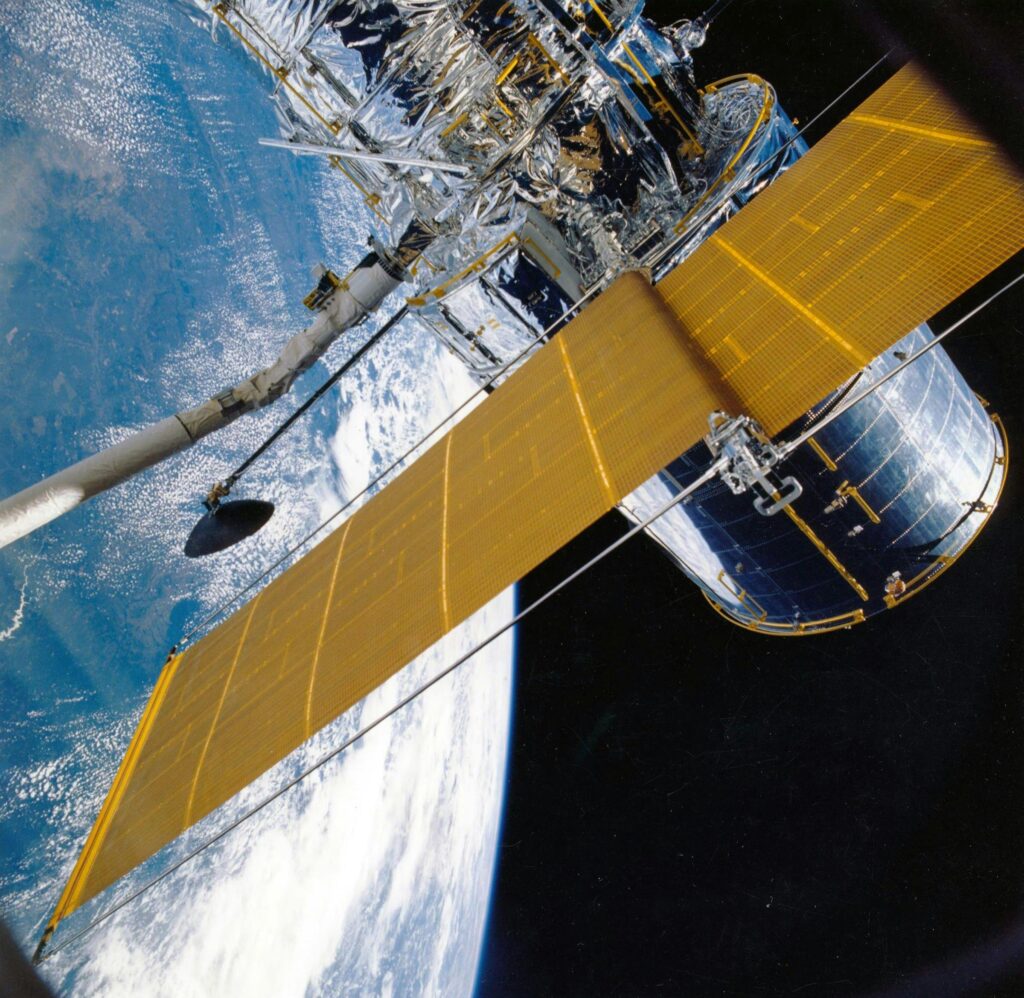
Mission-Critical Debris Intelligence for Safer Space Operations
GRIT OPS – specializing in the detection and risk assessment of sub-10cm space debris in Low Earth Orbit (LEO). Our services support government agencies, satellite operators, Space Situational Awareness (SSA) companies and insurers. We provide actionable data so they can tactically mitigate space debris threats. Combining advanced photogrammetry with AI/ML modeling, we strive toward a safer orbital environment for mission critical systems.
S.P.Y.D.E.R.
Space Photogrammetry Yielding Debris Estimation & Risk
Detecting and Characterizing Sub-10 cm Orbital Debris
SPYDER delivers real-time, high-precision data on 5–10 cm orbital debris in Low Earth Orbit (LEO), a critical size range untracked by current systems. Using advanced photogrammetry and AI, SPYDER empowers spacecraft designers with actionable intelligence to optimize shielding, reduce mass and lower mission costs.
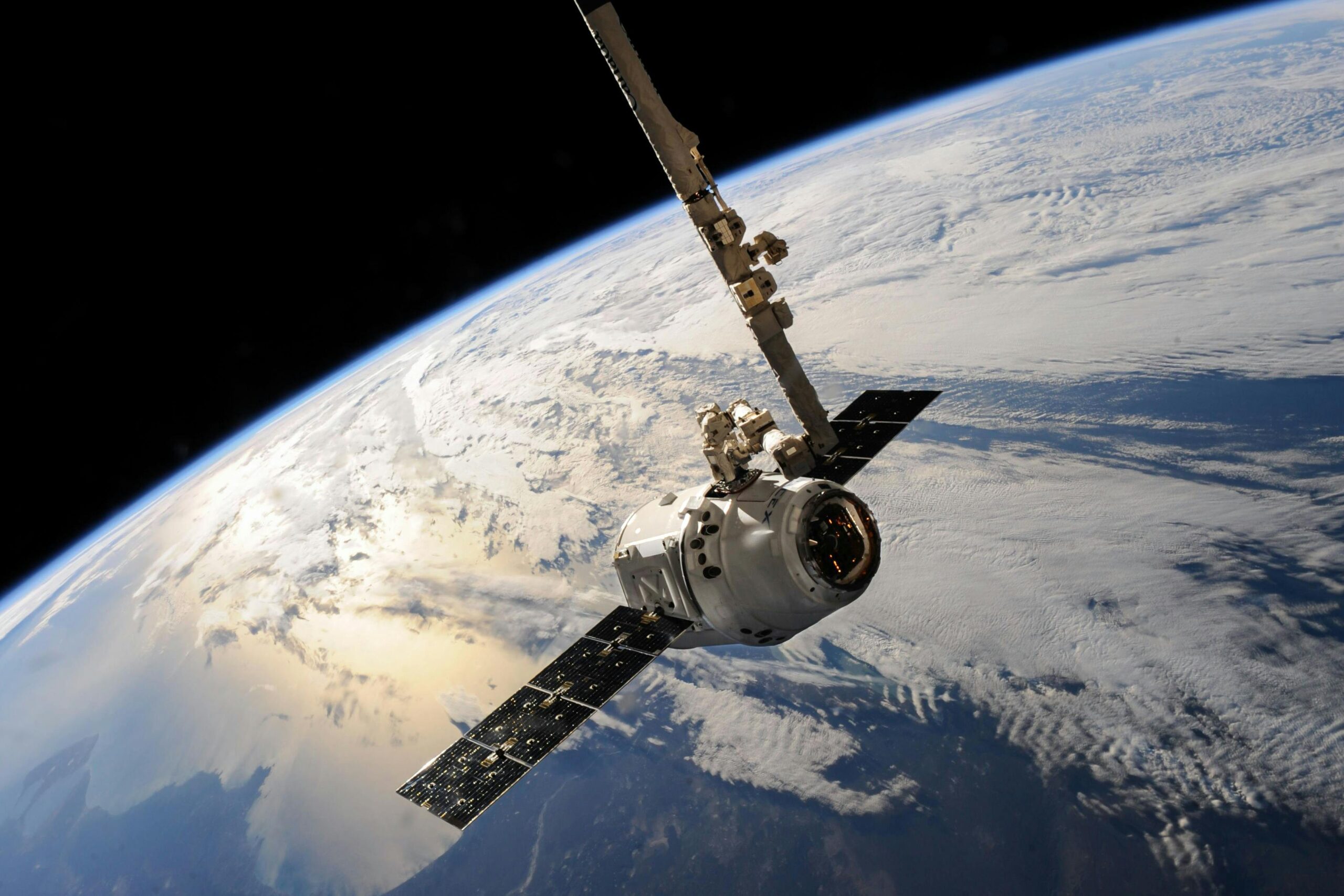
Precision Detecting
Combining multi-band optical imaging with machine learning to achieve ≥90% accuracy in identifying and classifying 5–10 cm debris.
Benefiting commercial/government applications; the R&D phase is active.

3D Characterization
Estimates debris size, mass and velocity with sub-centimeter precision, enabling accurate risk assessments.
This is a near-term service that can help quantify risk metrics pertaining to <10cm orbital debris .
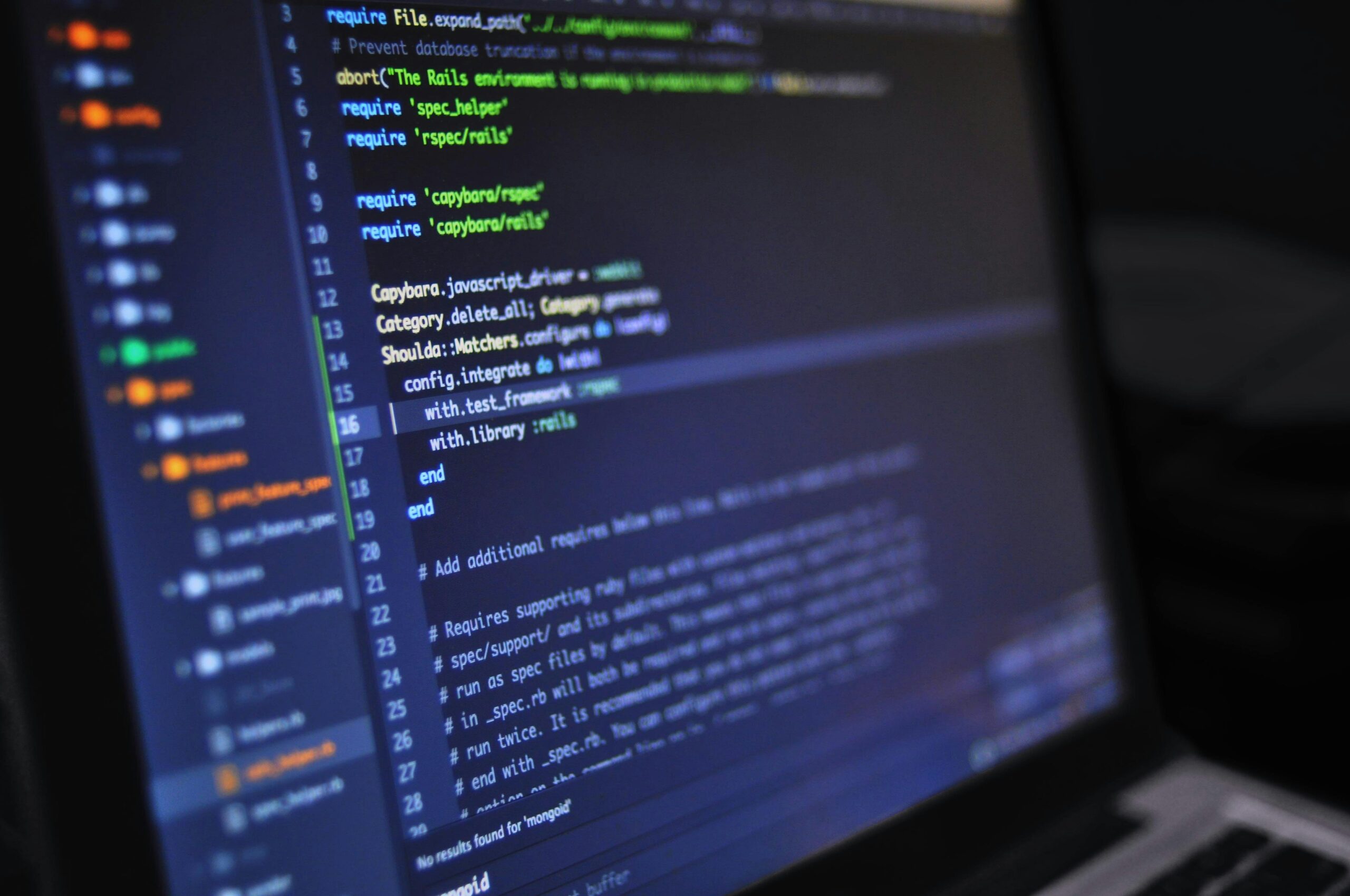
Seamless Integration
Delivers data via a JSON-based API, compatible with AI-driven design tools like Siemens NX and ANSYS, streamlining spacecraft shielding workflows.
Bridging technical development with commercial/government spinoffs.
Enhancing Spacecraft Design and Safety
SPYDER addresses a key gap in NASA’s orbital debris models by providing object-specific data, reducing reliance on outdated statistical assumptions. By enabling debris-aware shielding design, SPYDER can cut spacecraft mass by an estimated 15%, saving up to $500,000 per mission. This supports NASA’s Artemis missions, LEO satellite constellations, and space sustainability goals.
Delivering Strategic Value
SPYDER provides cross-referenced debris intelligence that enhances mission planning and operational safety. Its real-time data stream supports better risk quantification, giving satellite operators and hardware designers a competitive edge in congested orbital environments.
Commercial & Defense Applications
SPYDER’s scalable, API-driven platform serves a wide range of stakeholders:
- NASA Programs: Integrates with Text-to-Spaceship workflows, accelerating AI-driven shielding design for Artemis and Lunar Gateway missions.
- Commercial Operators: Provides satellite operators (e.g., Starlink, Planet Labs) and SSA providers (e.g., LeoLabs) with precise debris data for collision avoidance and risk modeling.
- National Security: Enhances Space Domain Awareness (SDA) for the U.S. Space Force, supporting mission assurance in contested orbits.
With Phase I development advancing SPYDER to Technology Readiness Level (TRL) 4, GRIT OPS is paving the way for safer, smarter, and more cost-effective space operations.
Delivering Solutions
GRIT OPS understands that our clients aren’t just looking for innovation, they’re looking for someone they can trust with what matters most: continuity, credibility and control in a domain where uncertainty is always on the horizon.
Whether you’re launching a satellite, underwriting a multi-million-dollar asset, or defending orbital infrastructure, you’re making decisions that demand not only precision, but confidence. That’s what we deliver.
We don’t just build technology, we build reliability. We show up with systems engineered for accountability, with data designed to earn confidence and with a mission that puts your security and success at the center of ours.
When you work with GRIT OPS, you’re not just buying a service. You’re gaining a partner who treats your risk like it’s our own. And we take pride in building the tools to help you execute your mission and accomplish your objective.
About

Principal Investigator @ GRIT OPS LLC
Dr. Matthew P. Jones is a physicist and entrepreneur with over a decade of experience at the intersection of advanced technology, risk management, and quantitative finance. He holds a Ph.D. in Physics and an M.S. in Mechanical Engineering, bringing a rigorous technical foundation to complex problem-solving in both terrestrial and orbital domains.
As the founder of GRIT OPS LLC, Dr. Jones is leading the development of AI-powered satellite systems designed to actively monitor space debris threats and protect orbital infrastructure. He also serves as Managing Partner of Quants Compete, a registered investment advisory firm specializing in systematic portfolio strategies and capital structuring for deep-tech ventures.
Known for his integrity, analytical rigor, and transparent communication style, Dr. Jones has earned the trust of investors, regulators, and industry peers alike. His work reflects a deep commitment to responsible innovation and long-term value creation in the emerging space economy.
“Recognition that we ought to be good stewards of land, sea, air and space is a hallmark of a healthy civilization.”
–Matthew P. Jones, Ph.D.
The GRIT OPS Advantage

Addressing a Critical Problem
Orbital debris under 10 cm poses the greatest threat to active satellites, yet remains largely untracked and unmanaged. GRIT OPS is developing autonomous satellite systems to directly reduce this risk, enabling safer orbits and unlocking previously uninsurable markets.
Delivering Strategic Value
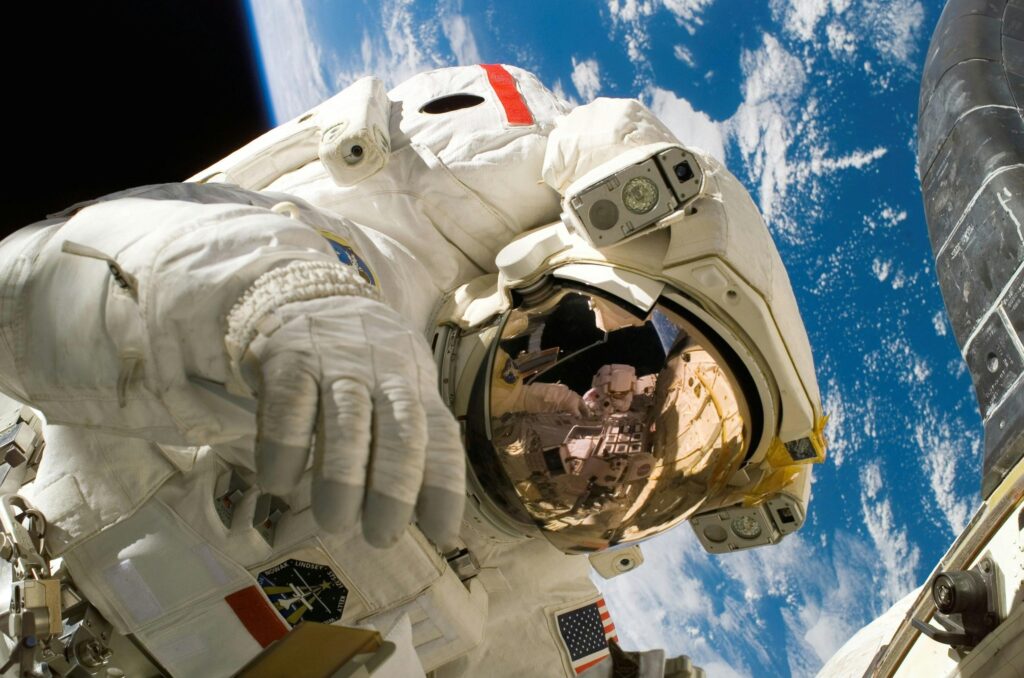
Our mission is to offer a path toward long-term orbital stability. GRIT OPS provides cross-referenced orbital risk intelligence that supports better mission planning and operational safety. This gives satellite operators and hardware designers a data edge in a rapidly congesting space environment.
Commercial & Defense Application
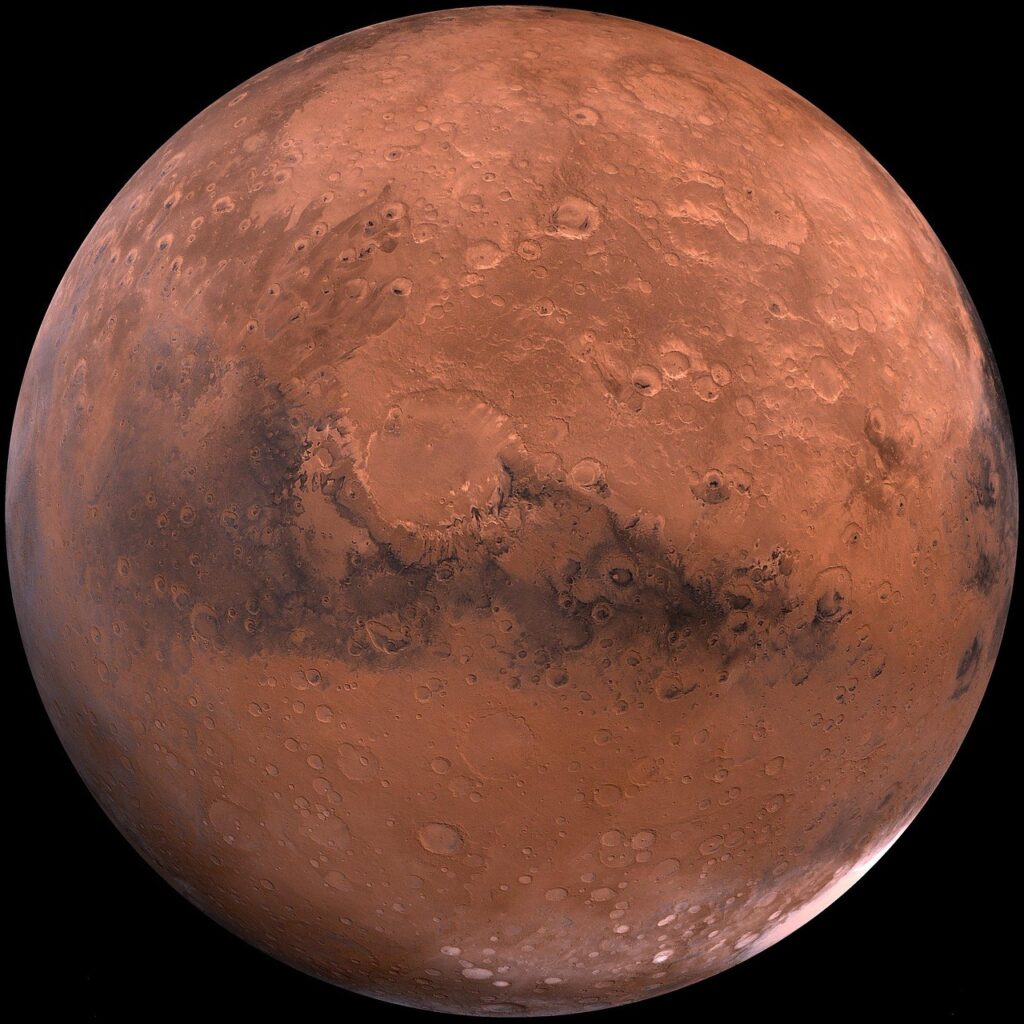
GRIT OPS is positioned to serve both national security goals and support commercial resilience. We’re tackling one of the biggest challenges in space exploration: to fill a critical gap in current space situational awareness and spacecraft design.